

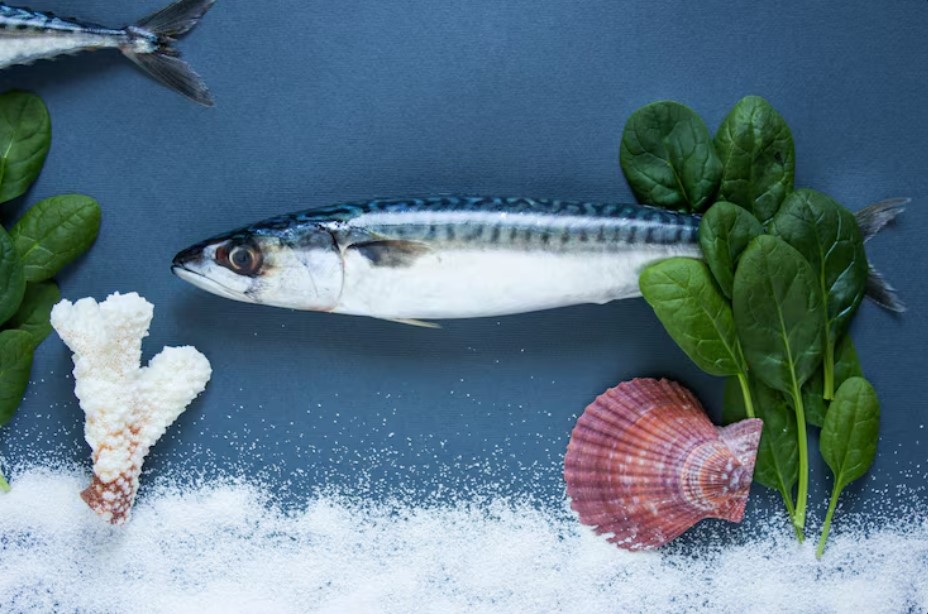
Keeping marine fish healthy requires more than maintaining water quality and providing a suitable aquarium environment. Nutrition plays a major role in supporting growth, coloration, activity levels, and overall well-being. The food you provide every day directly affects how your fish develop and maintain their health over time.
Choosing quality saltwater fish food helps ensure marine fish receive the nutrients they need to thrive. Whether you keep clownfish, tangs, angelfish, wrasses, gobies, or other marine species, a balanced diet can contribute to healthier fish and a more successful aquarium.
Understanding how nutrition supports growth, color, and immunity can help marine aquarium owners make better feeding decisions.
Why Proper Nutrition Matters for Marine Fish
Fish require a variety of nutrients to maintain normal body functions.
A balanced diet helps support:
-
Healthy growth
-
Strong immunity
-
Energy production
-
Color development
-
Proper digestion
-
Overall wellness
Poor nutrition may affect body condition, activity levels, and long-term health.
Providing quality food for saltwater fish helps support normal development and healthy daily function.
Nutrition is one of the most important aspects of successful marine fish care.
How Saltwater Fish Food Supports Healthy Growth
Growth depends heavily on the quality of nutrition fish receive.
Marine fish require adequate protein and other nutrients to support:
-
Muscle development
-
Tissue repair
-
Normal growth
-
Healthy body condition
Quality saltwater fish food often contains carefully selected ingredients that help meet these nutritional requirements.
Young fish and actively growing fish may have higher nutritional demands than mature adults.
Consistent feeding with balanced diets helps support healthy development throughout different life stages.
The Role of Nutrition in Fish Coloration
One of the most attractive features of marine fish is their vibrant coloration.
Nutrition can influence how fish look and maintain their natural appearance.
Balanced diets help support:
-
Healthy skin
-
Scale condition
-
Natural pigmentation
-
Overall appearance
Fish that receive quality nutrition often display stronger and more consistent coloration.
The best saltwater fish food frequently contains nutrient-rich ingredients that support healthy color development.
While genetics contribute to coloration, nutrition remains an important factor.
Supporting Immunity Through a Balanced Diet
The immune system helps fish maintain health and respond to environmental challenges.
Proper nutrition supports many processes that contribute to overall wellness.
A balanced feeding program helps support:
-
Healthy tissue maintenance
-
Normal body functions
-
Stress management
-
Daily activity levels
Vitamins and minerals are especially important for supporting long-term health.
Providing quality food for saltwater fish helps create a stronger nutritional foundation for marine species.
Choosing the Right Food for Saltwater Fish
Different marine species often have different feeding habits.
Some fish consume primarily plant-based foods, while others require more protein-rich diets.
When selecting saltwater fish food, consider:
-
Species requirements
-
Feeding behavior
-
Ingredient quality
-
Nutritional balance
-
Food size
Common food options include:
-
Marine pellets
-
Flakes
-
Frozen foods
-
Algae-based products
-
Specialty marine diets
The best saltwater fish food matches the natural dietary needs of the fish being kept.
Species-specific nutrition often produces the best results.
Saltwater Fish Food vs Freshwater Fish Food
Many aquarium owners wonder whether saltwater fish food and freshwater fish food are interchangeable.
While some ingredients may overlap, marine and freshwater species often have different nutritional requirements.
Freshwater Fish Food
Freshwater fish food is generally formulated for species that live in rivers, lakes, and ponds.
These diets are designed around the nutritional needs of freshwater fish.
Saltwater Fish Food
Marine diets are often formulated with ingredients that reflect the feeding habits of ocean-dwelling species.
Saltwater fish food may include:
-
Marine proteins
-
Algae-based ingredients
-
Specialized nutrient blends
Choosing species-appropriate foods helps support better health and nutrition.
Common Marine Fish Feeding Mistakes
Even experienced aquarium owners sometimes make feeding errors.
Overfeeding
Too much food can affect water quality and increase waste accumulation.
Feeding Every Fish the Same Diet
Different marine species may require different nutrient profiles.
Ignoring Ingredient Quality
Not all foods provide the same nutritional value.
Inconsistent Feeding Schedules
Regular feeding routines help support healthy habits and stable nutrition.
Avoiding these mistakes can improve both fish health and aquarium management.
Upgrade Your Marine Fish Feeding Program
Providing quality saltwater fish food is one of the most effective ways to support healthy growth, vibrant coloration, and strong immunity. Whether you are comparing food for saltwater fish, evaluating the differences between marine diets and freshwater fish food, or searching for the best saltwater fish food for your aquarium, nutritional quality should always be a priority.
Review your current feeding routine and ensure it matches the needs of your marine species. Investing in better nutrition today can help create a healthier, more colorful, and more active saltwater aquarium for years to come.
Frequently Asked Questions
1. Why is saltwater fish food important?
Saltwater fish food provides nutrients that support growth, coloration, immunity, and overall marine fish health.
2. Can freshwater fish food be used for marine fish?
Marine and freshwater fish often have different nutritional needs, so species-specific diets are generally recommended.
3. What is the best saltwater fish food?
The best saltwater fish food depends on the species being kept and should provide balanced nutrition with quality ingredients.
4. How does nutrition affect fish color?
Balanced diets help support healthy pigmentation, skin condition, and overall appearance.
5. How often should marine fish be fed?
Feeding schedules vary by species, but most marine fish benefit from consistent daily feeding routines.